
Crabgrass Control in St. Louis: What Actually Works (and What Doesn't)
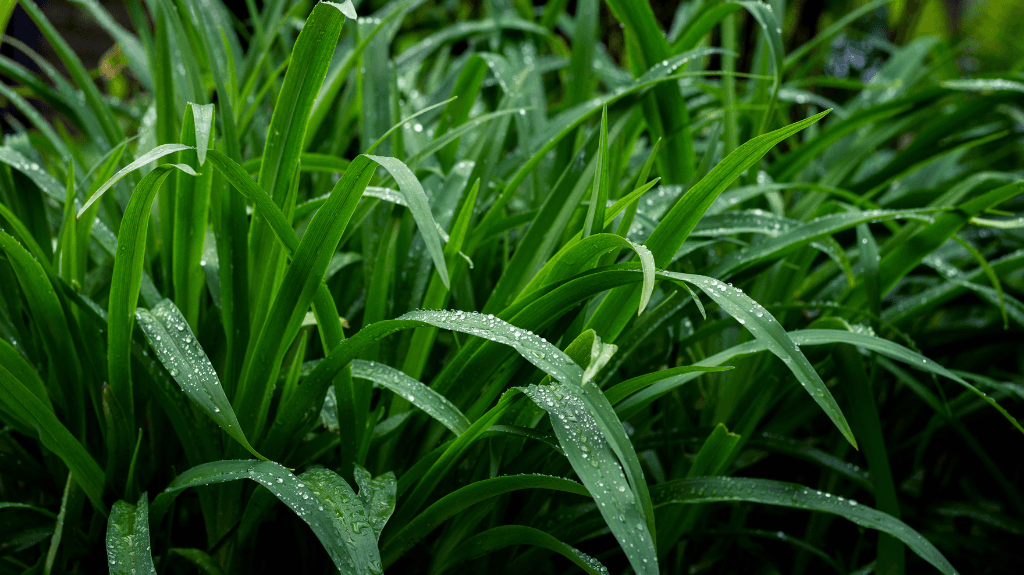
If crabgrass is showing up in your St. Louis lawn right now, the window for preventing it has already closed. Pre-emergent herbicides work before crabgrass germinates. Once it's visible, that wide-bladed, low-growing clump spreading across your turf, you're dealing with a growing plant, not a seed. That changes what you can do about it.
This post covers what actually works for crabgrass control in St. Louis lawns at the stage most homeowners are dealing with it in summer: after it's already up. It also covers why crabgrass is so persistent year after year, and what the long-term strategy looks like if you want to genuinely reduce the pressure over time.
What Crabgrass Actually Is (and Why It's So Hard to Beat)
Crabgrass — primarily large crabgrass (Digitaria sanguinalis) in St. Louis — is a summer annual grass. It germinates from seed in spring, grows aggressively through the heat of summer, produces seed heads from July through September, then dies with the first hard frost in fall. The plant itself is temporary. The problem it leaves behind is not.
According to Penn State Extension, a single crabgrass plant produces seed heads from July through September, generating thousands of seeds per plant. Research published by Rutgers University puts the range even wider — from 100 to as many as 145,000 seeds per plant depending on conditions. Those seeds drop into the soil in late summer and early fall, remain viable for up to three years, and wait for the following spring to germinate.
This is why crabgrass feels like a battle you can never fully win. You're not just fighting the plants you can see. You're fighting years of accumulated seed in the soil beneath your lawn. Every plant that completes its lifecycle and drops seed makes next year's problem larger. Every plant you stop before seed set makes next year's problem smaller.
That math shapes the entire strategy.
Why Pre-Emergent Herbicides Are the Foundation
The most effective crabgrass control happens before the plant ever appears. Pre-emergent herbicides — products containing active ingredients like prodiamine (Barricade), dithiopyr (Dimension), or pendimethalin (Pre-M) — create a chemical barrier in the soil that prevents crabgrass seeds from establishing after germination.
According to the University of Missouri Extension, crabgrass begins to germinate in Missouri when daily high temperatures reach 70°F or above — as early as mid-March in southern Missouri, and typically late March to early April in the St. Louis metro area. Pre-emergent products need to be in place before that window opens, and watered in to activate properly.
Pure Lawn's Round 1 and Round 2 treatments specifically address this. Round 1 applies Barricade pre-emergent for season-long crabgrass and grassy weed control. Round 2 follows with Dimension .21 using a different chemistry to extend that barrier through the spring germination period. The two-application approach closes the gaps that a single pre-emergent can leave as soil temperatures climb through spring.
When this program runs on schedule, the result is 90 to 95 percent control of crabgrass during the growing season. That remaining 5 to 10 percent comes down to microclimates — areas near driveways and sidewalks where soil warms faster, bare spots where turf density is low, and edges along fence lines where conditions differ from the main lawn.
What to Do When Crabgrass Is Already Growing
If you can see crabgrass in your St. Louis lawn this summer, post-emergent herbicides are your tool. These are products designed to kill actively growing crabgrass plants rather than prevent germination.
Effectiveness depends heavily on timing. Post-emergent crabgrass herbicides work best on young plants — typically those at the two to four tiller stage, before the plant has spread low along the ground and become more established. The larger and more mature the crabgrass, the more applications are typically required and the less complete the kill.
The most commonly used active ingredients in post-emergent crabgrass control for cool-season turf include quinclorac and mesotrione. Both are selective — meaning they target crabgrass and certain other grassy weeds without damaging established fescue or bluegrass when used correctly. Results on mature crabgrass typically require two applications spaced 10 to 14 days apart.
A few practical considerations for St. Louis homeowners dealing with crabgrass in summer:
Treat early. The smaller the plant, the better post-emergent products work. Large, mature crabgrass in August is genuinely difficult to kill completely before it sets seed.
Don't mow before treating. Post-emergent herbicides need leaf surface area to work. Mowing immediately before application reduces contact and effectiveness.
Water after the right window. Most post-emergent products need 24 to 48 hours without irrigation or rain to be absorbed. Check product labels before treating.
Expect gaps, not perfection. Post-emergent control in summer is damage management, not eradication. The goal is reducing seed production this season to lower pressure next year.
What Doesn't Work — And Why Homeowners Keep Trying It
A few approaches to crabgrass control come up repeatedly, and they're worth addressing directly.
Pulling by hand. Pulling crabgrass by hand removes the visible plant but leaves the root system partially intact and does nothing about the seed already in the soil. On a small, isolated plant caught early, hand removal is fine. As a strategy for a lawn with established crabgrass pressure, it doesn't scale.
Applying pre-emergent after germination. Pre-emergent products have no effect on plants that have already germinated and broken the soil surface. If you can see crabgrass growing, pre-emergent is not the right product. This is one of the most common timing errors homeowners make.
Treating once and expecting permanent results. Crabgrass seeds in St. Louis soil can remain viable for up to three years. A single season of excellent control reduces the seed bank but doesn't eliminate it. Multi-year consistency is what genuinely changes the trajectory.
Applying post-emergent in extreme heat. Treating actively stressed fescue with post-emergent herbicides during heat waves above 90°F increases the risk of turf injury. If temperatures are in the upper 80s or above, wait for a cooler stretch before treating.
The Real Long-Term Strategy: Dense, Healthy Turf
Herbicides — pre- or post-emergent — address the symptoms of a crabgrass problem. The underlying cause is almost always the same: thin turf that leaves soil surface exposed.
Crabgrass seeds need light to germinate. A dense, healthy lawn at 3.5 to 4 inches mowing height shades the soil surface and deprives crabgrass seeds of the light they need to establish. Minnesota Extension research confirms that raising mowing height to at least 3 inches meaningfully reduces the amount of sunlight reaching the soil and suppresses crabgrass germination. The thinner and lower-cut your lawn is, the more crabgrass pressure you'll see every year regardless of what you apply.
In St. Louis yards, the areas with the worst crabgrass problems are almost always the same areas with the thinnest turf: high-traffic paths, areas near driveways and sidewalks that heat up faster, drought-stressed sections that never fully recovered, and spots that were never overseeded after damage. Address the turf density and the crabgrass pressure drops — often dramatically — within one to two seasons.
This is why fall overseeding and aeration are part of any serious crabgrass management program. September is the single best month to add density to a St. Louis fescue lawn. New turf established in fall fills the bare and thin spots that crabgrass exploits the following summer. The timing works because fall seeding doesn't require you to avoid pre-emergent applications — the seed has all winter and spring to establish before the next pre-emergent round goes down.
Putting It Together: A Season-by-Season Crabgrass Plan
Managing crabgrass in a St. Louis lawn is a multi-season commitment, not a one-time treatment. Here's what the full cycle looks like:
Late winter / early spring (February–March): Pre-emergent application goes down before soil temperatures reach the germination threshold. Round 1 of a professional program covers this.
Mid-spring (April–May): Second pre-emergent application with a different active ingredient extends the barrier through the full germination window. Round 2 covers this.
Early summer (June–July): Monitor for breakthrough crabgrass, particularly along hardscape edges and in thin areas. Spot treat with post-emergent products on young plants before they tiller out.
Midsummer (July–August): Continue monitoring. Treat mature crabgrass with post-emergent if it hasn't set seed yet, knowing that complete control becomes harder. The primary goal at this stage is preventing seed production.
Late summer / early fall (September): Aeration and overseeding to fill thin areas and increase turf density. This is the most important cultural step for long-term crabgrass suppression.
Fall (October–November): Pre-emergent timing for the following spring begins with Round 1 planning. A healthy, dense lawn going into dormancy is the best setup for next year.
Ready to Get Crabgrass Under Control?
Crabgrass is manageable, but it responds to strategy more than it responds to effort. Pulling plants, applying the wrong product at the wrong time, or treating once without following up rarely changes the pattern year over year.
Pure Lawn's treatment program is built around this full-season approach — pre-emergent applications timed to St. Louis conditions, monitoring for breakthrough, and seasonal guidance on the cultural practices that actually reduce crabgrass pressure over time.
If your St. Louis lawn has crabgrass showing up this summer and you want a professional assessment of where you stand and what the next steps are, contact Pure Lawn for a free inspection. Call or text 314-924-LAWN (5296) or visit PureLawn.com. We serve the greater St. Louis area — from Kirkwood and Webster Groves to Chesterfield, Wildwood, and O'Fallon.
Learn more about our lawn care programs and how our six-round treatment schedule is designed specifically for St. Louis turf conditions.


